Indonesia sets sights on reducing impaired growth and development in children by 14%

Explore how collaborative efforts with organizations like Air Minum Bersih further enhance the impact, promising a healthier future for Indonesia’s children.

Written by Rika Andini

Jump to section

What is Stunting?

Stunting, characterized by impeded growth and developmental setbacks in children resulting from chronic malnutrition, has firmly established itself as a significant public health challenge in Indonesia. The severity of this issue has spurred the Indonesian government into action, embarking on a resolute mission with the formidable goal of achieving a 14% reduction in stunting rates by 2024.1[1]

Beyond its immediate repercussions on physical stature, stunting resonates throughout various developmental domains, casting a profound impact on cognitive growth, educational milestones, and future productivity. This blog aims to delve into the root causes of stunting, examine its wide-ranging effects, and shed light on the strategies employed by the government efforts to combat this pervasive issue.


The Causes of Stunting

As per the 2022 Indonesian Nutritional Status Survey (SSGI), a notable 21.6% of Indonesian children are grappling with stunting, a chronic malnutrition condition marked by insufficient height for their age. This condition not only hampers physical development but also poses risks to cognitive growth, immune function, and potential future earnings in adulthood.

The multifaceted causes of stunting include poverty, insufficient nutrition, restricted access to healthcare, and cultural practices. In the subsequent discussion, we will delve into these contributing factors and the intricate interplay that collectively leads to the prevalence of stunting among children in Indonesia.


Poverty and Socio-Economic Disparities

Poverty and socio-economic disparities stand out as significant contributors to the high prevalence of stunting in Indonesia. Research underscores that children residing in economically disadvantaged households or those with low-educated mothers face a higher likelihood of being stunted. These households often grapple with limited resources, insufficient food supplies, and restricted access to essential services like proper sanitation and healthcare


Cultural Practices

The role of cultural practices and dietary habits in shaping nutritional outcomes cannot be understated. In Indonesia, where rice is a staple food, diets rich in carbohydrates but deficient in fat, protein, and micronutrients are prevalent. Cultural beliefs impact dietary choices, posing a challenge to promoting healthier eating habits. Additionally, the consumption of high amounts of sugar is widespread, elevating the risk of obesity, diabetes, and other lifestyle-related diseases.

Inadequate Knowledge about Maternal and Child Nutrition

Insufficient knowledge about maternal and child nutrition compounds the issue of stunting. For example, the lack of awareness regarding the benefits of exclusive breastfeeding for at least six months contributes to higher infant mortality rates and impedes cognitive development. Addressing the gaps in knowledge is crucial for implementing effective interventions to combat stunting.

Inadequate Sanitation and Hygiene Practices

Inadequate sanitation and hygiene practices play a pivotal role in the prevalence of stunting in Indonesia. The widespread practice of open defecation contaminates water sources and contributes to diarrhea, hindering proper growth and development. Insufficient sanitation infrastructure, including a lack of handwashing facilities and clean water supply, further exacerbates the problem. Additionally, the prevalence of parasitic infections, such as worms and soil-transmitted helminths, is closely linked to stunting.

Regions in Indonesia Struggling with Stunting

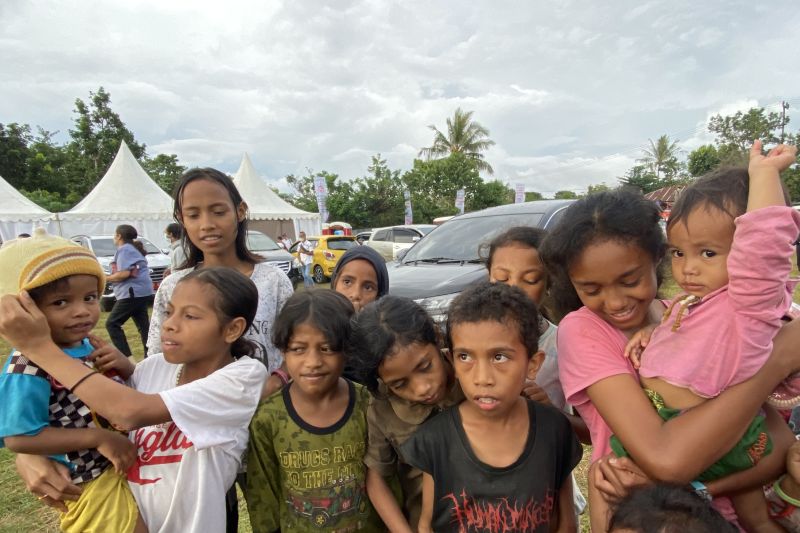
Stunting not only hampers physical growth but also poses significant risks to cognitive development, morbidity, and mortality. Examining the regions in Indonesia struggling with stunting provides valuable insights into the disparities and challenges faced by different communities.2[1] The prevalence rates in specific regions underscore the urgent need for targeted interventions. Below are some regions in Indonesia grappling with stunting and their respective prevalence rates:

East Nusa Tenggara (NTT) – 35.5%

East Nusa Tenggara consistently reports high rates of stunting, with a prevalence rate of 35.5%. Economic challenges and limited access to healthcare contribute to the persistent issue in this region.

West Sulawesi – 35%

West Sulawesi is located in the western part of Indonesia and has a stunting prevalence rate of 35%. The region is facing challenges with malnutrition, which ultimately leads to stunting in children.

Papua – 34.6%

Papua, located on the eastern side of Indonesia, has a stunting prevalence rate of 34.6%. The region is known for its biodiversity and cultural diversity, but it struggles with high rates of poverty, which contributes to the high prevalence of stunting.

West Nusa Tenggara (NTB) – 32.7%

West Nusa Tenggara (NTB) is a province located in the middle of the Lesser Sunda Islands, and it has a stunting prevalence rate of 32.7%. The region has a diverse culture and economy, but it is still challenged with addressing the issue of stunting in children.

Aceh – 31.2%

Aceh is located on the northwestern tip of the island of Sumatra and has a stunting prevalence rate of 31.2%. The province has been affected by a number of natural disasters and has struggled with insufficient infrastructure and economic development.

The Government’s National Strategy

The Government’s National Strategy for Stunting Prevention is a comprehensive approach comprising multiple key components that collectively address the persistent issue of stunting in Indonesia. This section delves into the various elements of the initiative.


Enhancing Maternal Nutrition: A pivotal focus of the national strategy is the improvement of maternal nutrition during pregnancy and breastfeeding. Initiatives aim to ensure expectant mothers receive essential nutritional support, laying the groundwork for optimal child development and reducing the risk of stunting.


Ensuring Access to Nutritious Complementary Foods: Emphasizing the significance of providing access to nutritious complementary foods for infants and toddlers, this component targets undernutrition, a significant contributor to stunting. The strategy aims to empower children, enabling them to achieve their full developmental potential.


Strengthening Community Health Services: A critical pillar involves reinforcing community health services for growth monitoring and supplement distribution. This initiative plays a pivotal role in tracking children’s growth trajectories and providing essential nutritional supplements to prevent stunting.


Collaborative Efforts for Comprehensive Health Services: Strategic partnerships with local communities, non-governmental organizations, and civil society groups are key to ensuring comprehensive health services. Collaborative efforts aim to provide a holistic approach to children’s health and well-being.


Addressing Sanitation and Hygiene Challenges: This section highlights government initiatives to tackle sanitation and hygiene challenges as integral aspects of stunting prevention. Clean drinking water, improved sanitation practices, and hygiene programs are explored as vital components in reducing infectious diseases’ prevalence and preventing stunting.


Expanding Nutrition Education and Behavior Change: A significant component involves expanding nutrition education and behavior change programs. Initiatives are designed to raise awareness among communities about the benefits of a balanced diet and the importance of adopting good nutrition practices to prevent stunting.

Air Minum Bersih Strategy for Stunting

The Air Minum Bersih (AMB) foundation’s strategy for addressing stunting in Indonesia through clean drinking water initiatives presents a promising solution to a multifaceted problem. By focusing on providing clean water to schools, health centers, and communities in water-stressed areas, AMB directly tackles one of the root causes of stunting.

Access to safe and clean drinking water is vital for preventing waterborne diseases and promoting overall health, especially in vulnerable populations like children. Additionally, the foundation’s emphasis on Water, Sanitation, and Hygiene (WASH) education complements their water supply efforts, contributing to a holistic approach in preventing stunting.

Collaborative partnerships with local providers, businesses, and organizations further strengthen the impact of AMB’s initiatives, ensuring that solutions are tailored to the specific needs of each community. By renovating toilets in schools and actively engaging in WASH programs, AMB not only addresses the immediate challenges but also promotes sustainable practices for better hygiene and health. Through their community-centric approach and ambitious goals, Air Minum Bersih’s strategy emerges as a comprehensive and impactful solution to combat stunting in Indonesia, fostering a healthier future for the nation’s children.

Air Minum Bersih Commitment

The tangible impact of Air Minum Bersih’s (AMB) commitment to providing clean drinking water becomes evident through their collaboration with Carocell Water in installing water systems in schools. This partnership showcases AMB’s dedication to practical solutions, as Carocell Water specializes in efficient and sustainable clean water projects. By strategically installing Carocell water systems in schools, AMB ensures a direct and immediate improvement in water accessibility for students and staff.

This real and impactful work not only addresses the immediate need for clean drinking water but also contributes significantly to the overall health and well-being of the school community. Through such concrete actions, AMB demonstrates a hands-on approach to fulfilling its mission, making a meaningful difference in the daily lives of students and educators. The installation of Carocell water systems in schools stands as a testament to AMB’s commitment to providing accessible, clean water—a fundamental step towards preventing stunting and fostering a healthier environment for future generations.

Conclusion

In conclusion, the Indonesian government’s ambitious goal of achieving a 14% decrease in stunting rates by 2024 reflects a comprehensive and determined effort to improve child nutrition and well-being. The government’s strategy encompasses a multifaceted approach, addressing root causes such as maternal nutrition, access to nutritious foods, community health services, sanitation, and education. This holistic plan underscores a commitment to creating sustainable solutions that extend beyond numerical targets.

In parallel, the impactful strategy of the Air Minum Bersih (AMB) foundation, focusing on providing clean drinking water in collaboration with Carocell Water, aligns seamlessly with the government’s efforts. AMB’s community-centric approach, particularly the installation of Carocell water systems in schools, contributes significantly to the immediate well-being of children and educators. This collaborative effort between the government and organizations like AMB demonstrates a collective commitment to combating stunting, emphasizing the importance of both macro-level policies and targeted, hands-on interventions to create a healthier future for Indonesia’s children. The synergy between government initiatives and grassroots efforts exemplifies a united front in addressing the multifaceted challenges associated with stunting, promising a brighter and healthier tomorrow for the nation.

Tirta Murni Nusantara

Jalan Penestanan, Sayan,

Kecamatan Ubud, Kabupaten Gianyar, 80571

+ 62 821 4645 0217


SK KEMENHUMKAM
AHU-0020799.AH.01.04 Tahun 2022

PNRI
Berita Negara No 080 Tahun 2022

Akta Notaris
no 09, 30 September 2022

 AMB Digital 2022    
Privacy Policy