
Explore the in-depth analysis of drought vulnerability in Jawa Timur, Lampung, and Nusa Tenggara Timur through the PUPR Report
Written by Rika Andini
The PUPR (Public Works and Public Housing) Report meticulously investigates the nuanced implications of drought within three distinct regions: Jawa Timur, Lampung, and Nusa Tenggara Timur. Each of these areas grapples with distinctive challenges stemming from prolonged dry periods and water scarcity.
Jawa Timur, celebrated for its diverse landscapes and agricultural importance, finds itself increasingly susceptible to drought due to the shifting patterns of climate. Lampung, renowned for its fertile soils and agricultural productivity, contends with severe water scarcity, posing a threat to its essential agricultural output. Meanwhile, Nusa Tenggara Timur, characterized by diverse ecosystems and communities, confronts escalating impacts of drought affecting both livelihoods and ecological balance.
Within the report, a detailed examination is conducted to discern the specific factors contributing to drought vulnerability in these regions. This scrutiny yields essential insights that can inform tailored interventions and strategic initiatives, aiming to mitigate the far-reaching repercussions of drought in these pivotal areas.
The significance of the PUPR Report extends beyond its examination of drought vulnerability. Serving as a vital document in the domain of infrastructure and housing, the report delves into various critical aspects. With a specific focus on drought vulnerability across distinct regions, it provides meticulous insights into the challenges faced by these areas. Leveraging extensive research and data-driven analysis, the report illuminates the intricate connection between drought, infrastructure, and community resilience.
By spotlighting three provinces directly affected by drought, the report not only accentuates the gravity of the situation but also lays the foundation for comprehending the unique factors contributing to vulnerability in each region. In this blog, our aim is to delve into the origins of drought occurrences, explore their profound impacts, and discuss potential solutions to address this pressing issue.
Drought, a climatic phenomenon, is characterized by a prolonged period of abnormally low precipitation, resulting in water scarcity across a specific region. This prolonged dry spell surpasses the usual weather patterns for that region. Droughts result in substantial crop failures, diminished water supplies, and widespread food insecurity, impacting millions of individuals globally. Hence, comprehending the diverse causes behind drought occurrences is imperative to alleviate their consequences. Below delineates the causes of drought.
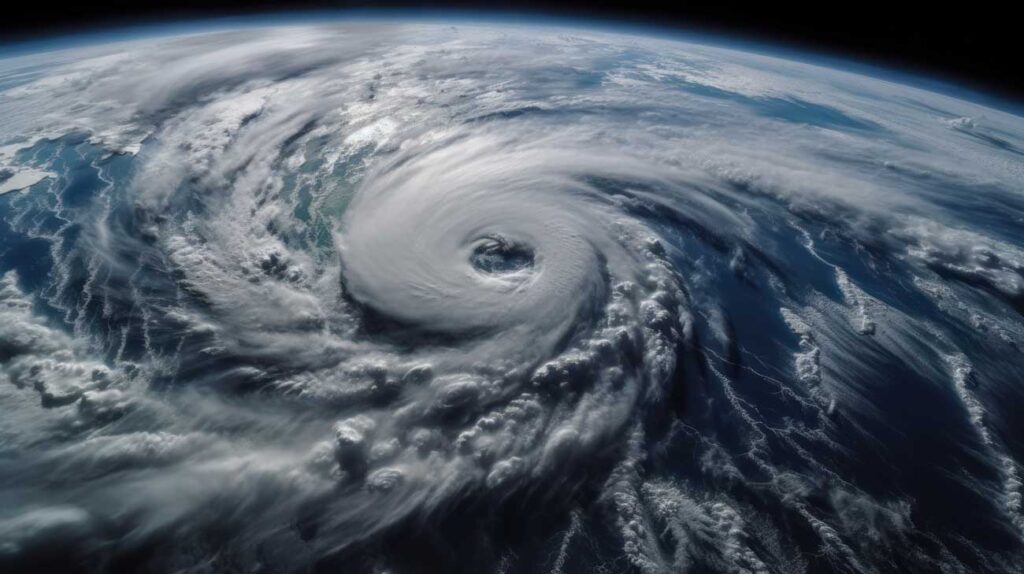
One of the primary natural causes of drought is climatic variability, where rainfall patterns become erratic, and significant temperature changes occur. This variability is often propelled by natural cycles like El Niño – Southern Oscillation (ENSO), impacting global weather patterns and leading to climate changes that trigger droughts, notably affecting regions across Africa and Asia.
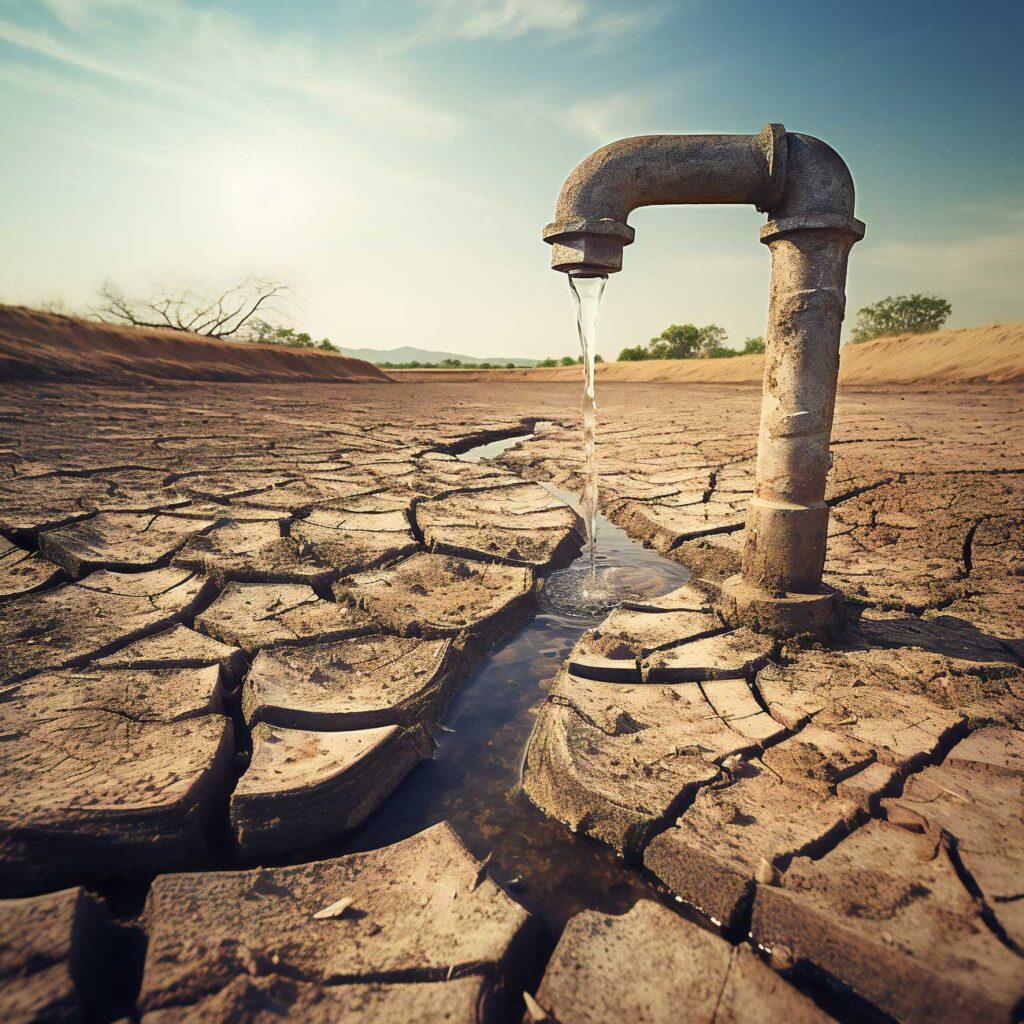
On the other hand, human activities also contribute significantly to the causes of drought, especially over-extraction of water resources. When water is pumped out of underground aquifers at an unsustainable rate, the water table drops, leaving little to no water for farming or other essential uses. Over-extraction of water resources leads to reduced water availability, leading to droughts in regions with significant agricultural activities.
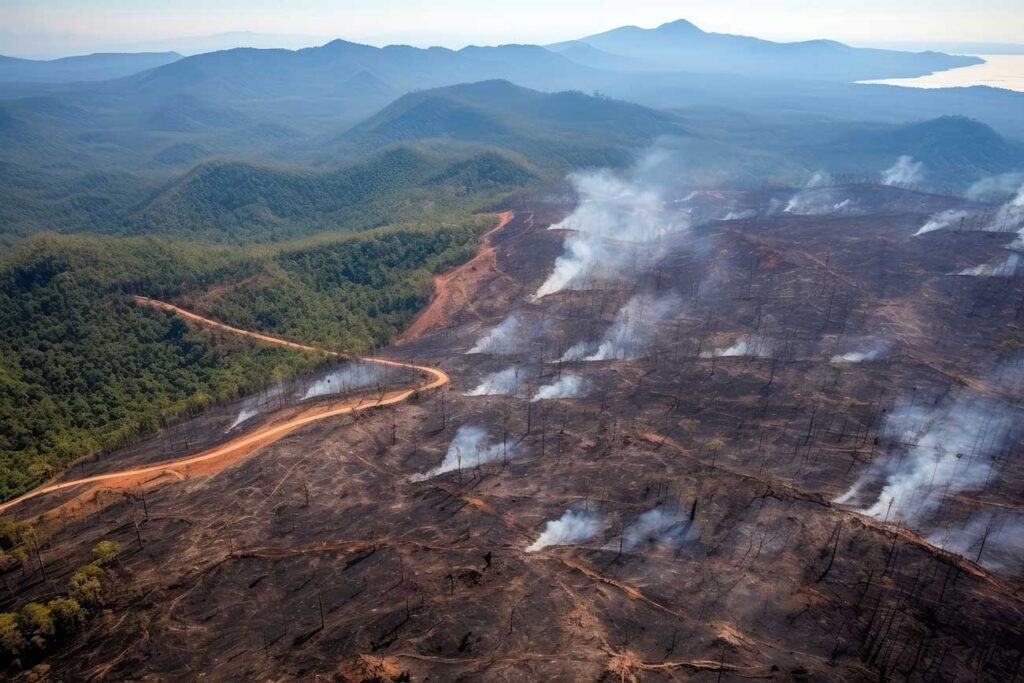
Deforestation emerges as another critical human-induced cause amplifying drought. Trees play a pivotal role in releasing moisture into the atmosphere through transpiration, crucial for cloud formation and rainfall. The rampant destruction of forests, particularly in tropical areas, disrupts this vital aspect of the earth’s water cycle, contributing significantly to drought occurrences. Additionally, deforestation heightens soil erosion, further depleting soil moisture retention and exacerbating drought conditions.
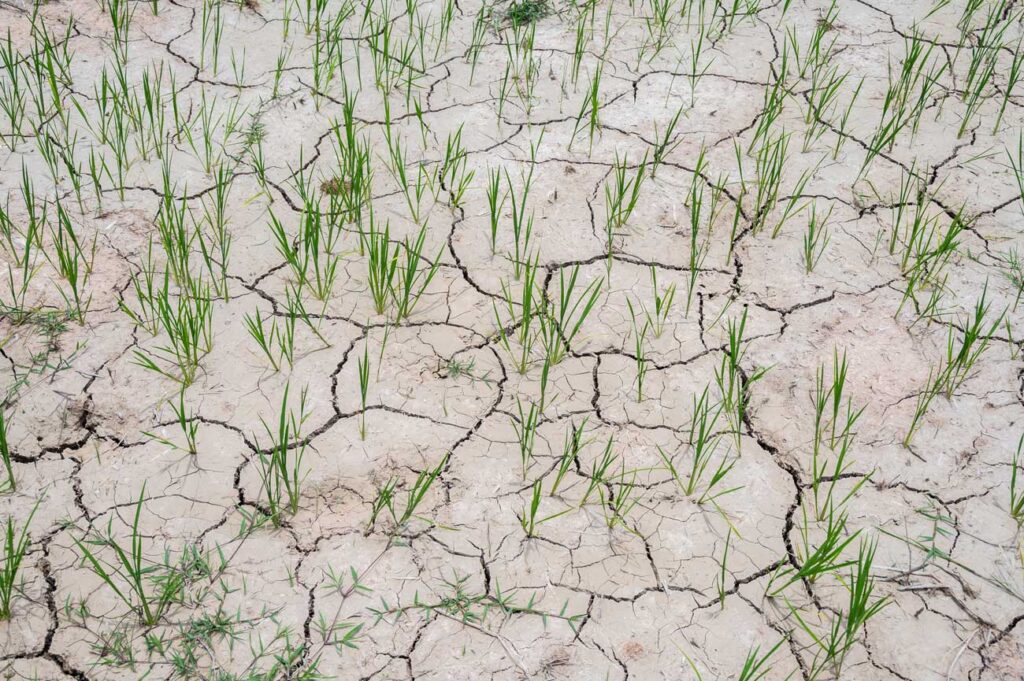
Climate change exacerbates both natural and human-induced drought causes. Escalating greenhouse gas emissions trap heat in the atmosphere, elevating temperatures and altering rainfall patterns. This rise in temperatures accelerates water evaporation, leading to soil desiccation and intensifying drought scenarios. Climate change introduces unpredictable and extreme weather conditions, including prolonged dry spells and severe storms, complicating water management strategies in mitigating drought’s adverse effects.
Indonesia is a country that is highly dependent on agriculture, which is the main source of livelihood for millions of people. However, the country is also vulnerable to droughts, which can have a devastating impact on agricultural production, food security, and the economy. Some regions are more vulnerable than others, and Lampung, Jawa Timur, and Nusa Tenggara Timur are three such regions that have been identified as being at high risk of drought.
Lampung, situated at the southern end of Sumatra Island, spans a total land area of 34,623.80 km² and is home to approximately 9.3 million residents. The province is characterized by a predominantly flat topography intersected by numerous rivers, featuring a humid tropical climate.
According to data from the Lampung Province Meteorology, Climatology, and Geophysics Agency (BMKG), several areas within Lampung recently endured extreme drought conditions, enduring more than 60 consecutive rainless days. This extended period without rainfall has led to these regions being classified as facing severe dryness.
In early November 2023, Lampung experienced some precipitation after enduring an extended dry spell. Over 16 areas within the province encountered an extended duration without rain, ranging from 62 to 99 consecutive rainless days. Specific locations severely affected by this drought include Way Kanan, Lampung Utara, Pringsewu, Mesuji, Kota Bandar Lampung, Lampung Timur, and Pesawaran.2[1]
[1] https://kupastuntas.co/2023/11/05/16-titik-di-wilayah-lampung-dilanda-kekeringan-ekstrim
Jawa Timur, situated on the eastern end of Java Island, covers a total land area of 47,922 km² and hosts a population of approximately 38.5 million residents. The province boasts a diverse topography, ranging from coastal plains to high mountains. While characterized by a tropical climate, Jawa Timur experiences a more evenly distributed rainfall pattern throughout the year, without a distinct dry season. However, an extended dry period in East Java has resulted in a severe drought impacting numerous villages, leading to water scarcity and agricultural challenges.
The prolonged dry spell persists across various regions, notably affecting Jawa Timur, resulting in a severe drought scenario. According to data from the Regional Disaster Management Agency (BPBD) of Jawa Timur, as many as 863 villages spread across 27 districts in Jawa Timur currently confront drought conditions.3[1]
[1] https://rejogja.republika.co.id/berita/s2z0qq291/ratusan-desa-di-jatim-alami-kekeringan-akibat-musim-kemarau-panjang
Nusa Tenggara Timur (NTT), positioned in the eastern part of Indonesia, encompasses the eastern portion of Timor Island, numerous smaller islands, and two major islands, Flores and Sumba. Spanning a total land area of 47,637 km², the province is home to approximately 5.7 million inhabitants. NTT experiences a tropical climate characterized by heavy rainfall during the wet season from December to March, followed by a dry season from July to September.
The extreme drought situation in NTT has broadened from initially affecting four districts to encompassing eight, with spot droughts observed in specific sub-districts. Moreover, 14 other districts/cities are currently under alert status due to the escalating drought conditions. The intensified drought, particularly during the peak dry season of September-November, has resulted in minimal rainfall, raising concerns about various drought-related disasters, especially concerning water sources.
As of August 2023, eight districts within NTT have been significantly impacted by the extreme drought. The affected areas include specific regions in Kota Kupang, Manulai II, Maukaro, Sokaria, Magepanda, Sulamu, Batuliti, Atambua, Fatubenao, Fatulotu, Sabu Raijua, Malahar, Kamanggi, Rote Ndao, and Nagawutung.4[1]
[1] https://www.kompas.id/baca/nusantara/2023/09/01/kekeringan-ekstrem-di-ntt-meluas
Jalan Penestanan, Sayan,
Kecamatan Ubud, Kabupaten Gianyar, 80571
SK KEMENHUMKAM
AHU-0020799.AH.01.04 Tahun 2022
PNRI
Berita Negara No 080 Tahun 2022
Akta Notaris
no 09, 30 September 2022
AMB Digital 2022
Privacy Policy